
“And you? When will you begin that
long journey into yourself?”Rumi
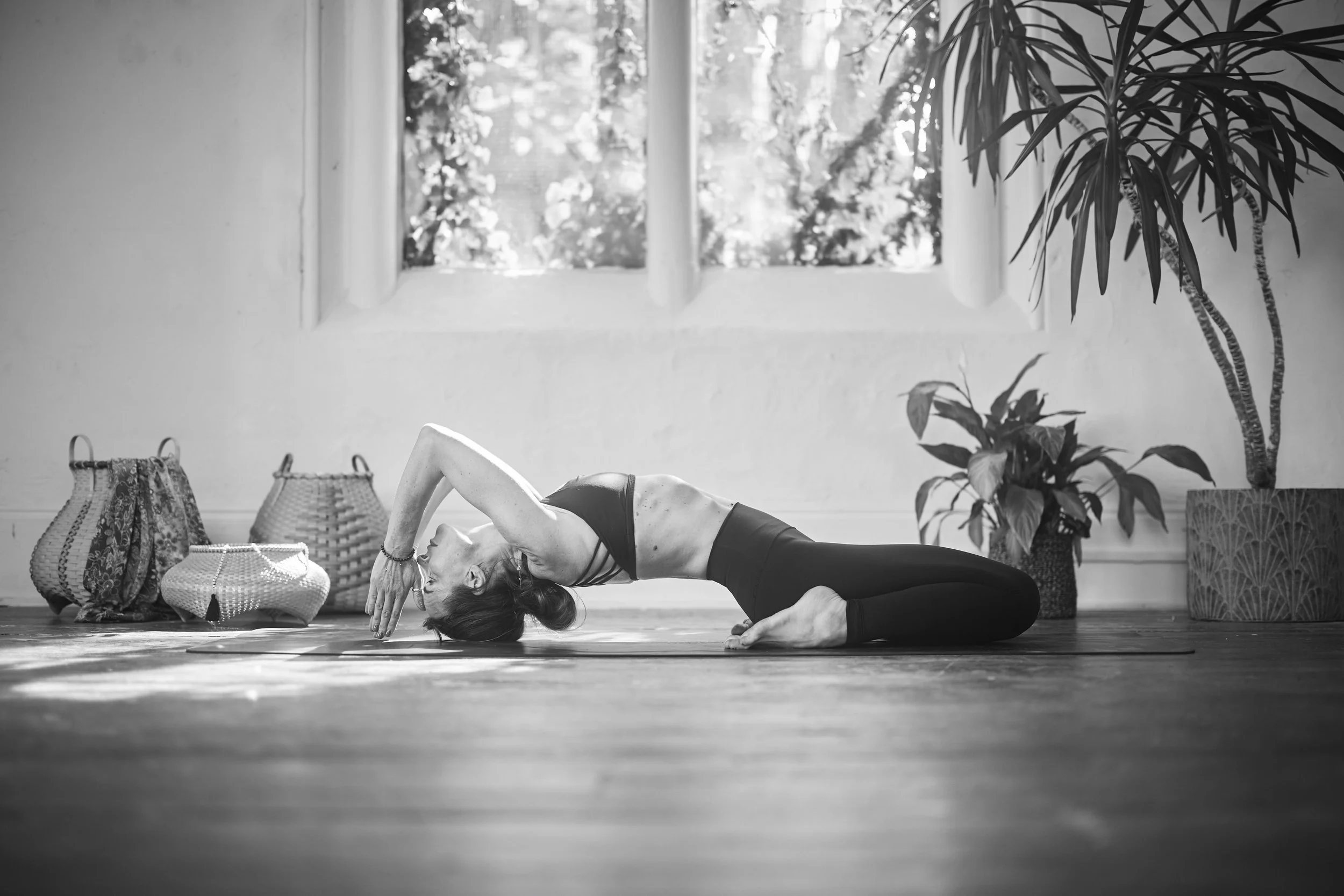
Yoga is more than movement, it’s a meeting point between body, breath, and awareness. At times, the practice will invite you gently inward and at others, it may ask you to step beyond what feels familiar or comfortable. In these moments, yoga becomes a space to explore your edges with curiosity rather than judgement.
You are encouraged to meet yourself exactly where you are, honouring both strength and vulnerability, effort and ease. Through this balance, the practice weaves together acceptance, compassion, and a deeper sense of self-love.
As the body moves, stretches, and strengthens, it becomes a more resilient and supportive vehicle to carry you through life. Yet the true depth of yoga lies beneath the surface. It’s a practice of self-inquiry, of noticing patterns, reactions, and emotions as they arise. This can feel confronting at times, but within that challenge is growth.
Over time, you may find that sitting with discomfort becomes less intimidating, both on and off the mat. In learning to breathe through intensity, to soften where there is resistance, and to stay present through it all, yoga offers a powerful reminder that life itself is ever-changing and, within that, you have the capacity to remain steady, open, and deeply connected.
Breathwork, meditation, and threads of yoga philosophy are gently woven throughout each class, offering a fuller, more integrated experience. You might find yourself syncing with seasonal rhythms, or drawing inspiration from the natural world as a way to deepen your own self-understanding.
Embodied Flow
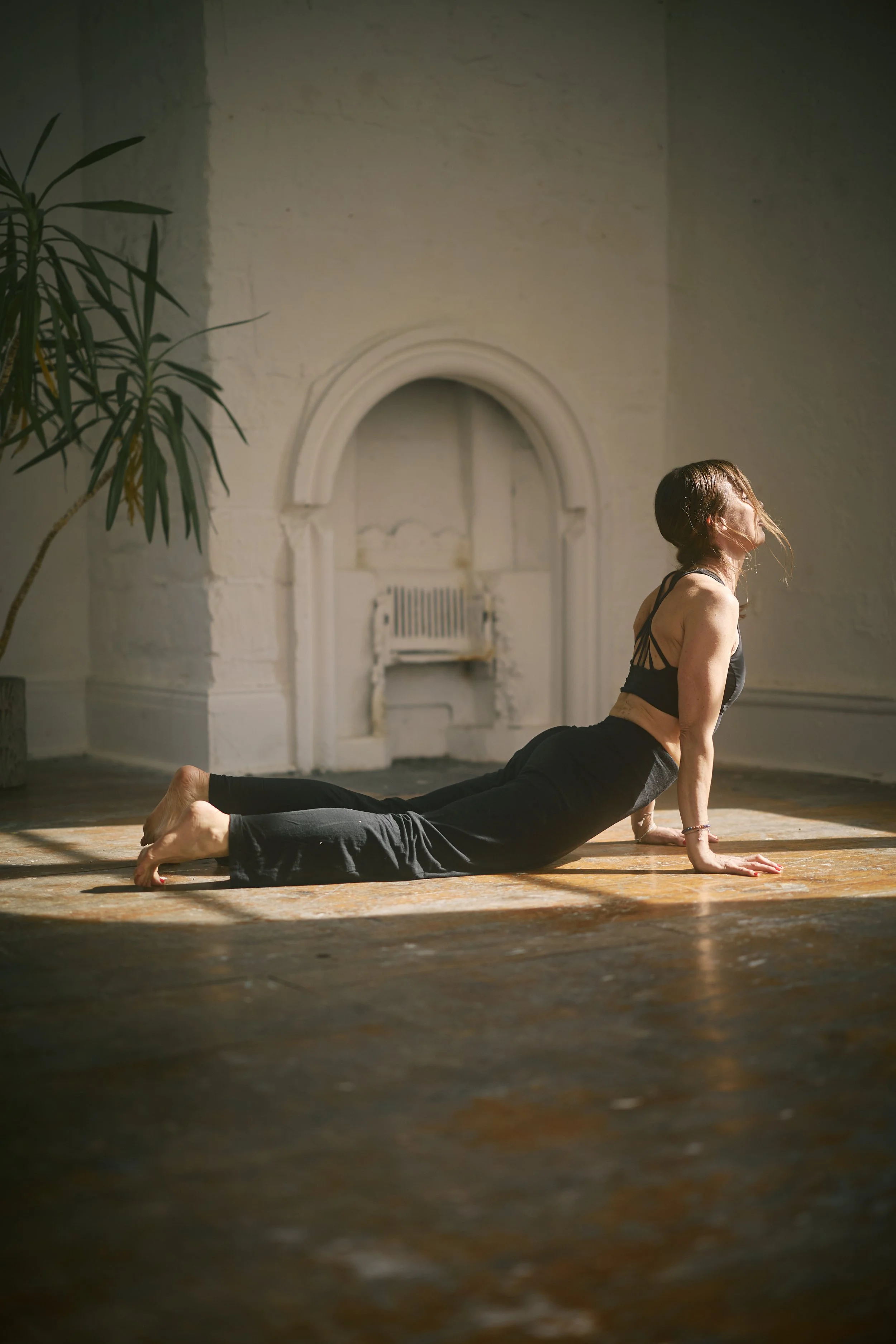
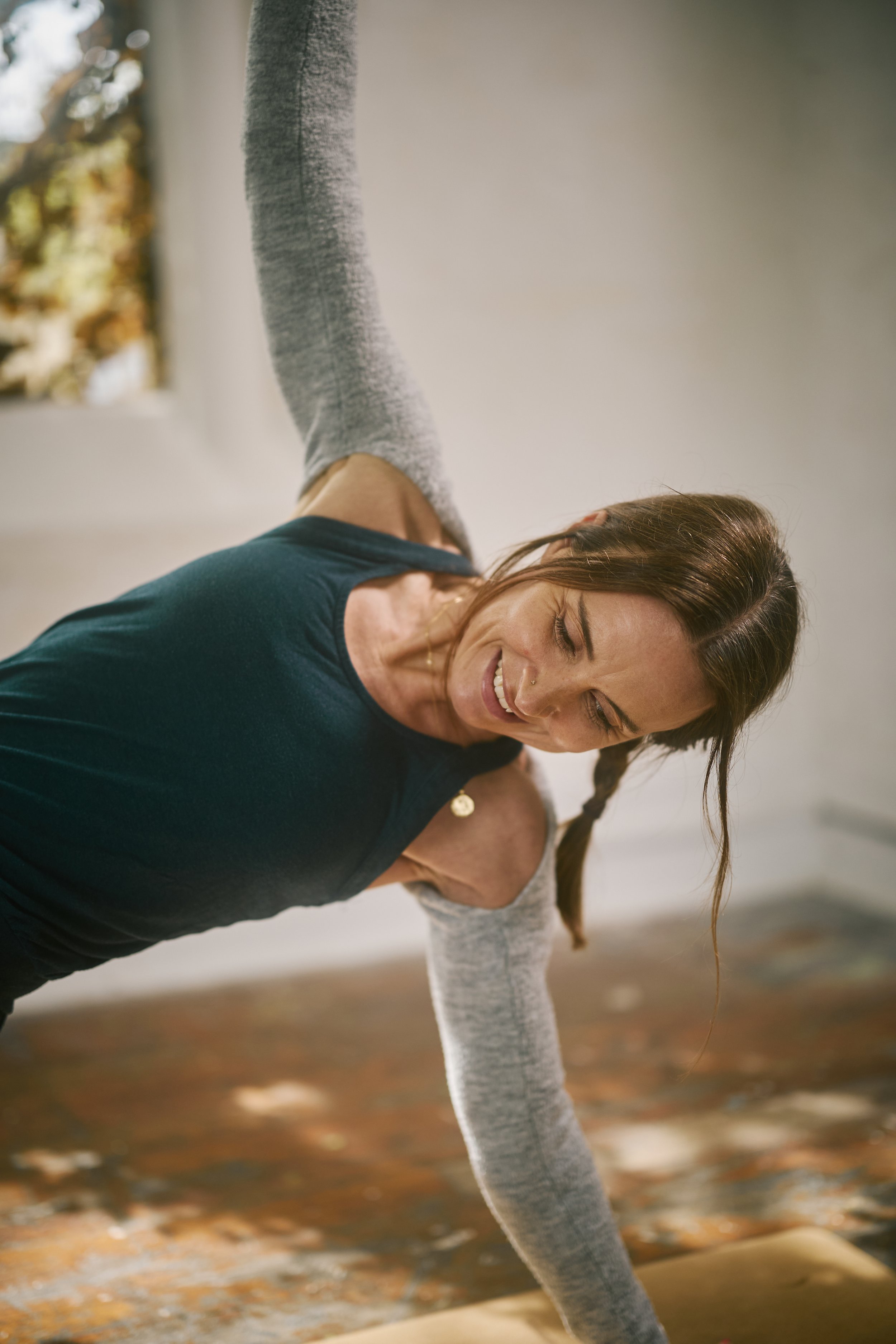
Embodied Flow is a lively, intuitive practice where breath and movement weave together in a smooth, rhythmic dance. This is a space to tune in. As you move, you’ll build strength and mobility but, just as importantly, you’ll refine your interoception. This is the ability to sense and understand the body’s internal signals such as breath, tension, heartbeat, energy and emotional response.
Rather than chasing perfect shapes, we let each movement be guided by the body’s own intelligence, encouraging you to stay present with sensations when exploring your body’s range.
By strengthening this inner awareness, embodied yoga helps cultivate a deeper connection to yourself, supporting nervous system regulation, emotional wellbeing, and a greater sense of grounding and ease in everyday life.
“You only have to let the soft animal of your body love what it loves.”
Mary Oliver
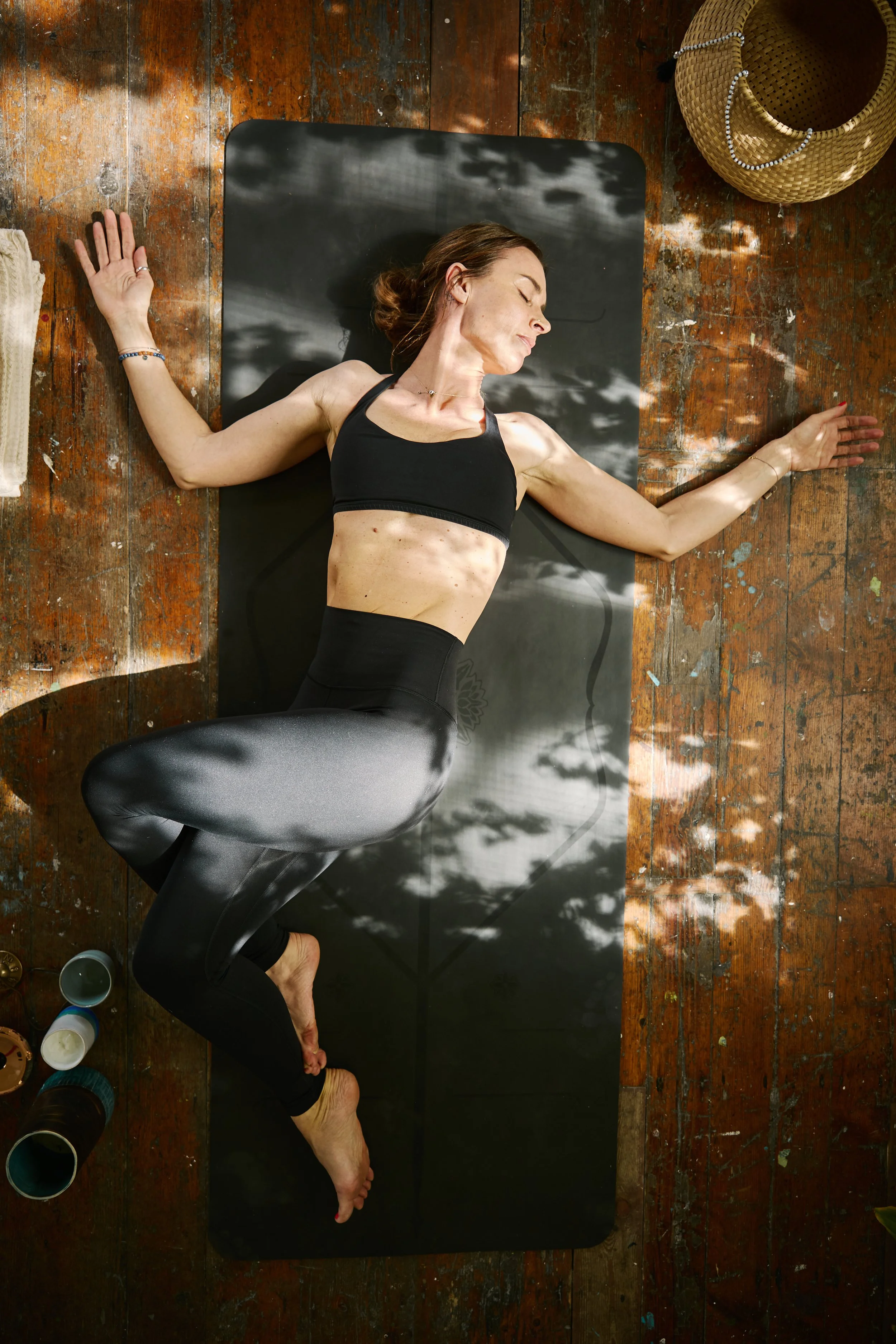
Yin Yoga
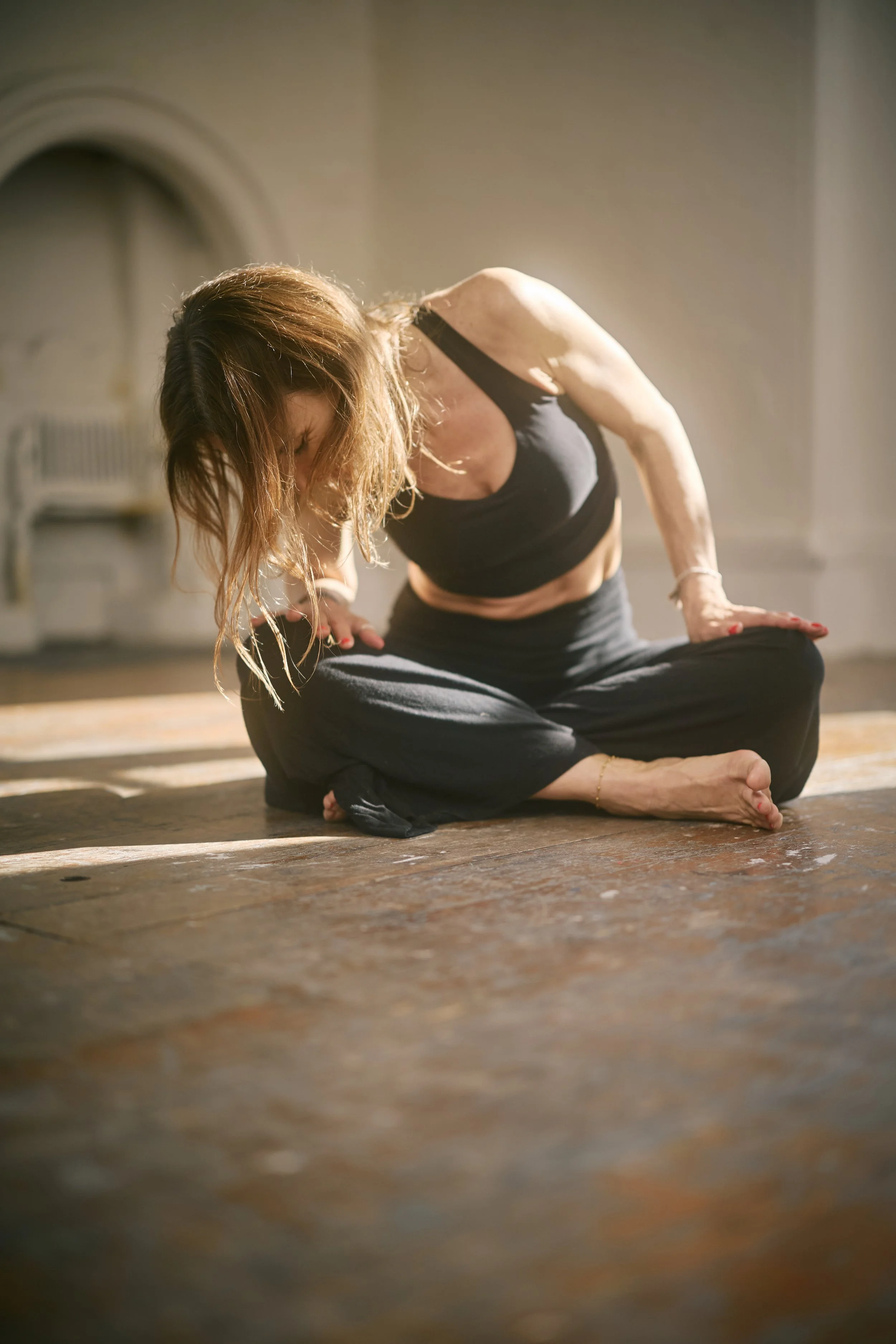
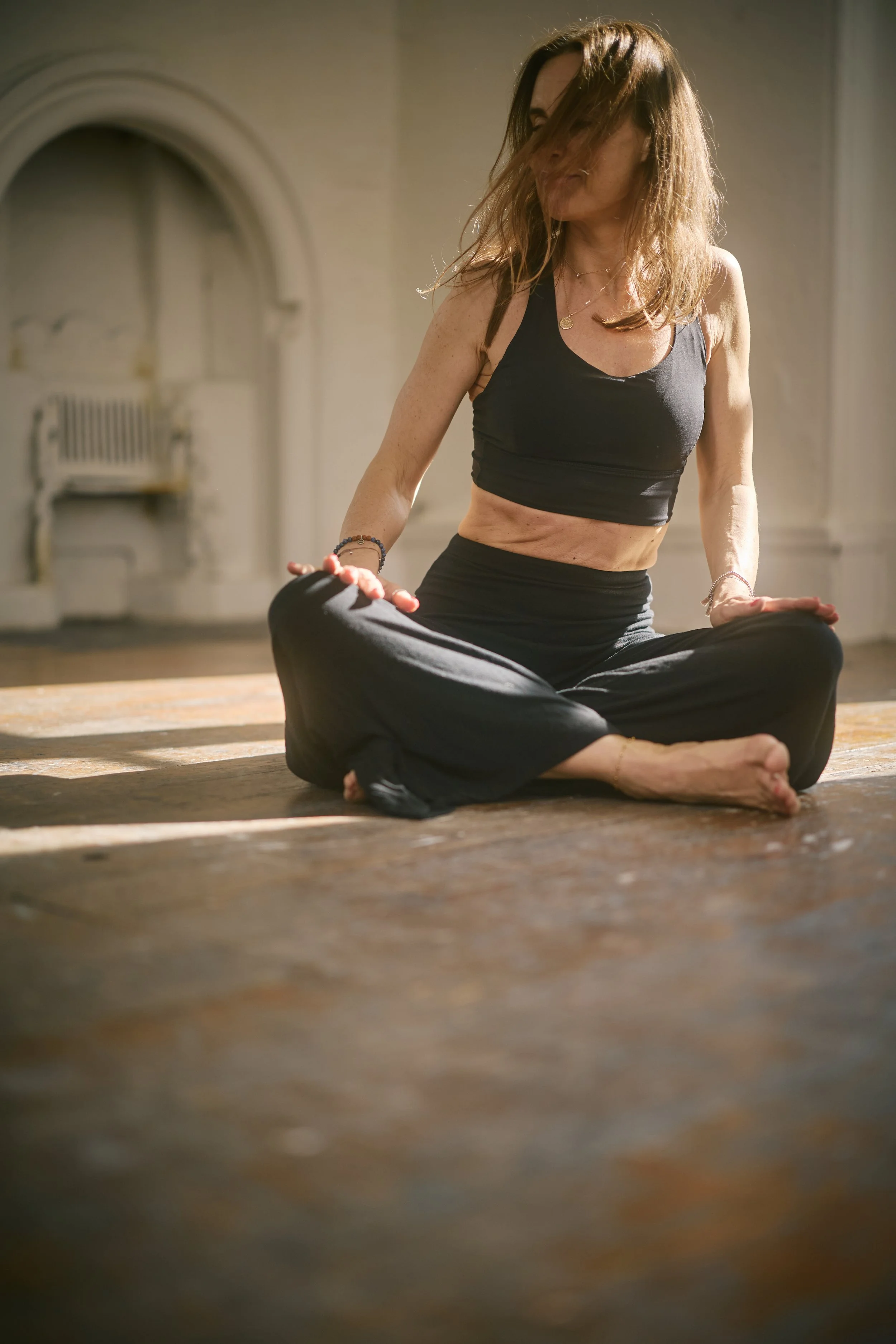
Yin Yoga is a slow, meditative practice that targets the body’s connective tissues, such as ligaments, joints and fascia. Poses can be held for several minutes, mostly on the floor, using gravity and props to encourage a gradual unwinding of the body without force.
This practice invites stillness and introspection in the mind and can help to calm the nervous system while increasing joint mobility and flexibility in the body.
Yin acknowledges the body as a network of subtle energy pathways, or meridian lines, flowing like rivers through the tissues, the organs and the bones. By holding each shape and applying gentle, sustained pressure the practice can support the smooth flow of this vital energy, promoting a sense of balance and internal harmony.
The practice reflects the five Chinese elements; wood, fire, earth, metal and water and their corresponding seasons and each posture and sequence can be used to support the body’s energy pathways in alignment with these seasonal shifts, connecting to the rhythm of nature and offering a deeply restorative and grounding experience.
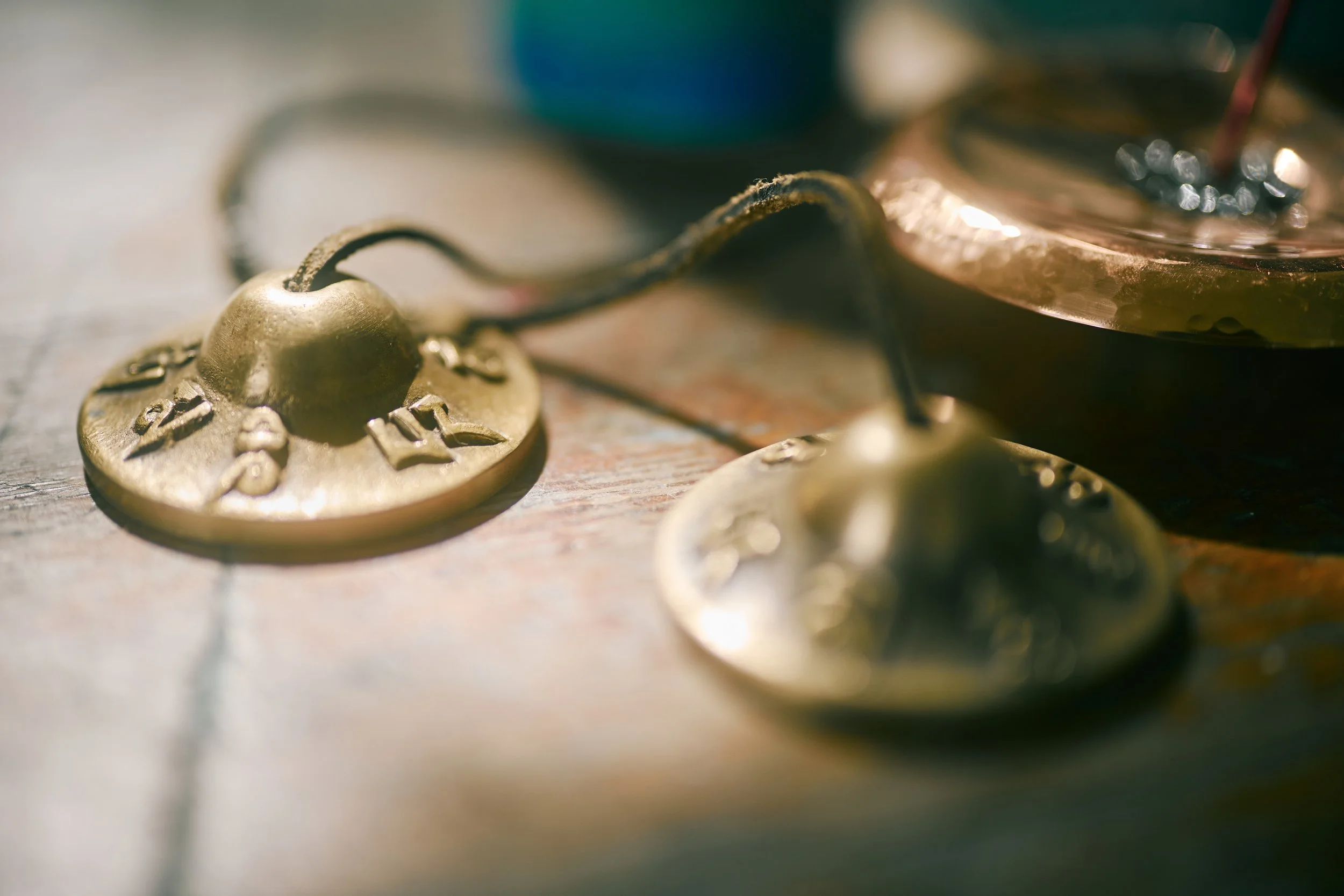
“Your tiredness has dignity to it.
Do not rush to pathologise it, or push it away, for it may contain great intelligence, even medicine.”
Jeff Foster
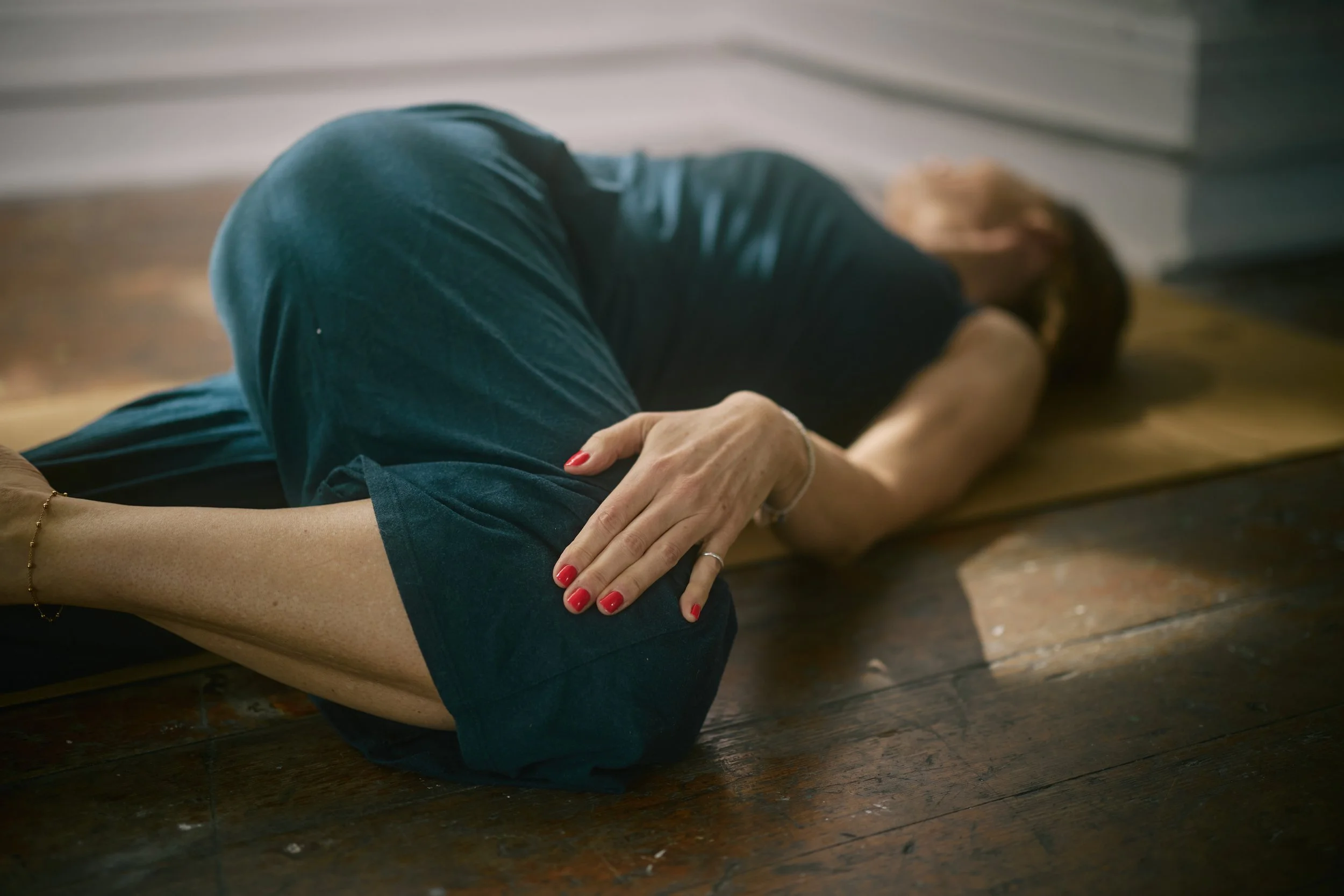
Restorative Yoga
Restorative Yoga is an invitation to return to the wisdom of the body.
We often move through life believing that our thoughts, plans, and willpower are in control, yet so much of how we experience the world begins deeper, within the body and the autonomic nervous system.
Before the mind can decide whether we are safe, connected, or at ease, the body has already sensed it. Every breath, every muscle held tight, every impulse to withdraw or reach toward others is shaped by the nervous system’s constant effort to protect us. In many ways, we are simply doing what our bodies believe is necessary to survive.
Through long-held, fully supported postures, Restorative Yoga creates the conditions for the nervous system to soften its vigilance.
The practice is not about striving, stretching, or achieving, but about allowing the body to remember what ease feels like.
When the body experiences safety, the mind can begin to settle, and a deeper sense of connection becomes possible, connection to ourselves, to others, and to the present moment.
In a culture that glorifies productivity and exhaustion, choosing rest can feel like an act of sacred rebellion against the belief that our worth is measured by how much we produce.
Restorative Yoga offers a space to pause, listen, and honour the body’s quiet intelligence.
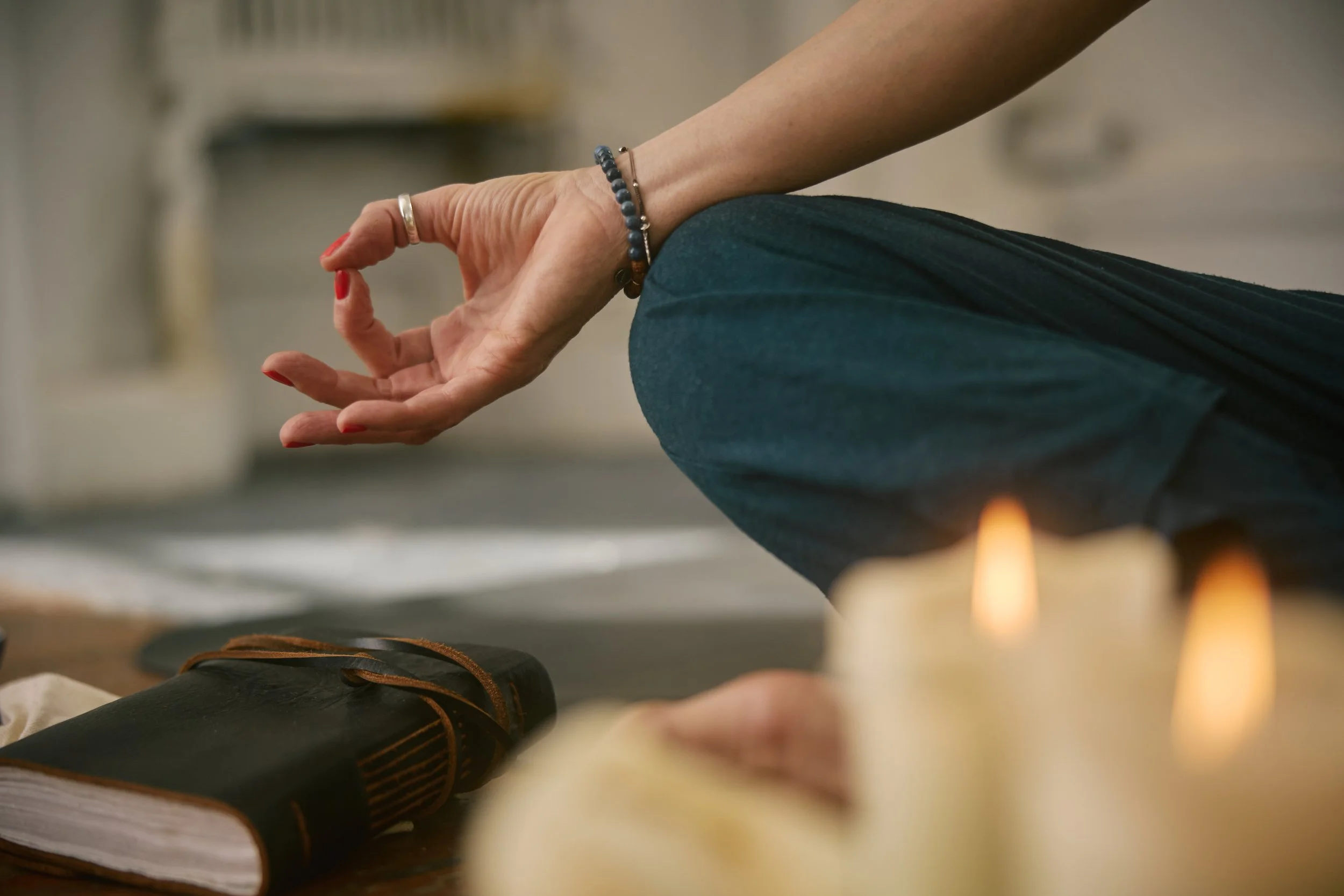
Yoga Nidra and Pranayama
Yoga Nidra, often called “yogic sleep,” is a deeply restorative guided meditation designed to bring the body into complete relaxation while the mind remains gently aware. It offers a structured journey designed to release tension on a physical, mental and emotional level.
Practised lying down in comfort, Yoga Nidra guides you through breath awareness, body relaxation, and mindful attention to help calm the nervous system, reduce stress, and support emotional balance. It is a receptive practice hovering between the states of wakefulness and sleep. You simply lie down and listen to the teacher’s voice while you are guided through various layers of experience (known as koshas) including body sensations, breath, emotions and thoughts.
Suitable for all levels, Yoga Nidra offers a space to slow down, rest deeply and reconnect with yourself. Many people leave a session feeling refreshed, grounded, and more at ease, like waking from the most nourishing rest.
Pranayama, or yogic breathwork, is often woven alongside Yoga Nidra to deepen relaxation and support nervous system balance.
Through conscious breathing practices, pranayama helps settle the mind, release tension and bring awareness into the body before moving into a deep rest. Together these practices create space for calm, clarity and restoration. Helping you feel more grounded, present and connected both during practice and in daily life.
Studio Timetable
Mondays 9.30am-10.45am
Embodied Flow
Tuesdays 9.30am-10.45am
Embodied Flow
Tuesdays 11am-12pm
Gentle Flow
Wednesdays 9.30am-10.45am
Embodied Flow
Fridays 9.30am-10.45am
Embodied Flow
Online Classes run regularly in 4-week blocks
Mondays 6.30pm-7.30pm
Seasonal Yin Workshops Mondays 6.30pm-8pm
Monthly Restorative & Yoga Nidra Fridays 6.30pm-8pm